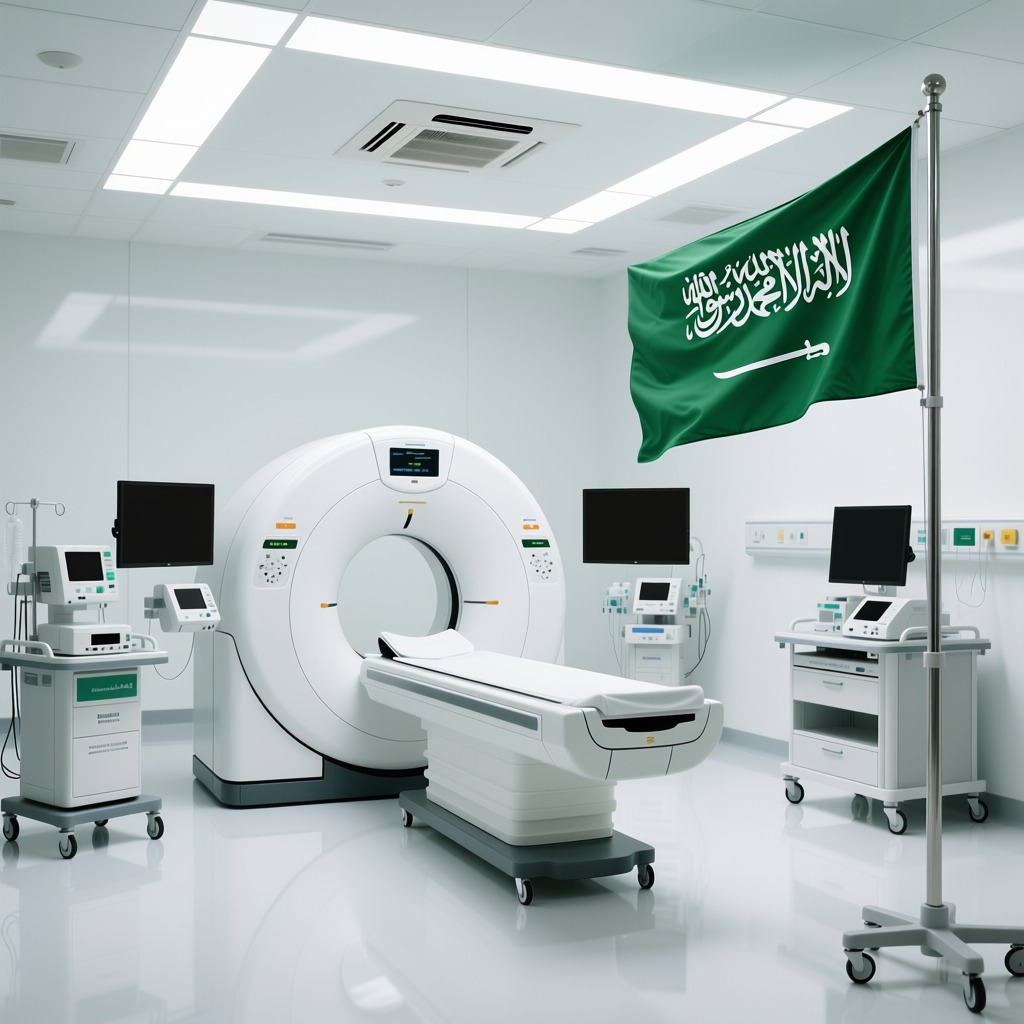

Spare parts management in hospitals and medical centers plays a fundamental role in ensuring the continuity of sensitive medical devices. Any downtime in a single device may disrupt the treatment line, halt a surgery, or affect a patient’s life. Therefore, a comprehensive system must exist to ensure the availability of original spare parts, intelligent maintenance inventory management, as well as certified alternatives and reorder limits.
Importance of Medical Equipment Maintenance Inventory Management
Managing the maintenance inventory of medical equipment is not just about storing parts; it is a comprehensive strategic process that ensures the hospital is always prepared for any emergency. Modern medical devices are complex and precise, and even a minor failure in a core component can completely stop the device. Imagine a ventilator shutting down due to a missing small part—this poses a real danger, as a patient’s life may depend on that piece.
A well-structured spare parts management plan is not only about providing parts but also includes regular monitoring of stock levels, continuously updating data, and ensuring that parts are original or certified alternatives that guarantee the same quality. This reduces the risk of sudden breakdowns and prevents unexpected downtime in critical care units or operating rooms.
Scientific inventory management also contributes to cost reduction in the long run, as it prevents unnecessary overstocking and minimizes resource waste on unused parts for extended periods. On the other hand, it helps build a strong reputation for the hospital as an institution that relies on advanced maintenance systems capable of handling pressure and crises efficiently.
In short, the importance of medical equipment maintenance inventory management lies in the fact that it is not just an internal activity but a key element in healthcare quality, patient safety, and uninterrupted medical service delivery.
Critical Lists
The first step in effective maintenance inventory management is identifying critical lists. These lists include parts without which the device cannot function, such as control units in anesthesia machines, operating panels for sterilization devices, or infusion pumps. If these parts fail, the device stops completely. Therefore, they must be closely monitored and stocked in sufficient quantities, preferably as original spare parts to maintain device quality.
In addition to identifying these lists, they should be classified by priority and expected supply time. Some critical parts require immediate availability as they are linked to life-support devices that cannot tolerate downtime, while others can be ordered on demand within a short period. This classification helps maintenance and management teams establish clear plans for storage and replenishment, preventing sudden gaps in inventory. Digital systems for managing these lists also simplify tracking and issue alerts when stock is running low, ensuring the uninterrupted operation of medical equipment.
Certified Alternatives
Even with prior planning, hospitals may face supply issues with certain original parts due to long shipping times or import problems. This is where the importance of certified alternatives emerges. These alternatives must be approved by the manufacturer or official medical accreditation bodies to ensure they meet specifications. Having certified alternatives provides hospitals with added security, allowing operations to continue smoothly even if original parts are delayed.
A clear plan for using certified alternatives requires training maintenance teams on how to install and operate them without affecting device performance. Every replacement operation should also be recorded in the hospital’s database, documenting the type of part used, installation date, and source. This not only enhances transparency but also helps evaluate the performance of alternatives over time and compare them with originals. Thus, relying on alternatives becomes a safe and effective option that supports continuous medical service and safeguards patient safety.
Reorder Limits
One of the most important tools in medical equipment maintenance inventory management is setting reorder limits. This means defining a minimum stock level for each part, and once it is reached, a new purchase order is issued. For example, if a hospital uses ten ventilator filters per week, the system should trigger an alert when only twenty filters remain. This ensures stock replenishment before it runs out, preventing unexpected downtime.
Reorder limits can also be linked to digital tracking systems for higher accuracy in usage and monitoring. Instead of relying on manual counting, the system records each withdrawal automatically, deducts it from inventory, and issues an alert when the predefined minimum is reached. This mechanism reduces human errors, saves significant time for maintenance and storage teams, and provides management with clear insights into actual consumption rates, which helps improve planning and more accurately estimate future budgets.
The Role of Digital Systems in Spare Parts Management
In the digital transformation era, spare parts management no longer relies on paper records or manual follow-ups. Modern electronic systems can track inventory in real-time, generate reports on consumption rates for each part, and issue alerts when stock approaches reorder limits. They also ensure full documentation of original parts and certified alternatives, increasing transparency and strengthening trust between the hospital and suppliers.
Digital systems provide advanced analytical tools that help maintenance teams make proactive decisions. They can identify parts most prone to wear or damage and predict when they will be needed, preventing sudden shortages. These systems also facilitate coordination across hospital departments, enabling technical teams, procurement, and storage units to work seamlessly, coordinating orders and alternatives quickly and accurately. At the same time, they allow archiving of all historical data for each part, simplifying audits, financial reporting, future maintenance planning, and making inventory management smarter and more effective.
The Relationship Between Original Parts and Alternatives
Original parts are the foundation, as they guarantee optimal performance and maximum device lifespan. However, they are not the only option in emergencies, where certified alternatives serve as a practical and quick solution to minimize downtime. Combining both in the inventory management plan strengthens device stability and gives the medical institution flexibility in dealing with unexpected situations.
Using certified alternatives does not reduce medical service quality if carefully selected and matched to the technical specifications of the original devices. In some cases, certified alternatives are available faster than original parts, reducing downtime and preventing medical procedure delays. This integration of original parts and alternatives creates a safety net within the hospital, ensuring seamless operations and minimizing risks associated with maintenance delays, especially in critical departments such as operating rooms and intensive care units.
Moreover, relying on this strategic mix allows hospitals to control costs by stocking critical original parts and using certified alternatives only when necessary, making inventory management more efficient and smarter.
Why Is Maintenance Inventory Management a Necessity, Not a Luxury?
Some may think having a spare parts inventory is an additional expense, but in reality, it is an investment that protects hospitals from work stoppages. The cost of halting services or postponing surgeries due to a missing small part is much higher than the cost of purchasing that part in advance. Therefore, maintenance inventory management is an essential element of any successful operational plan.
It also enhances the efficiency of human resources in hospitals, as technicians do not waste time searching for unavailable parts or waiting for deliveries. Organized inventory allows them to focus on quickly fixing breakdowns, raising service quality, and reducing downtime. Additionally, a clear inventory system helps management plan finances more accurately by forecasting future expenses and avoiding unexpected surprises.
In conclusion, spare parts management in hospitals and medical centers is the first line of defense against unexpected breakdowns. Critical lists ensure awareness of indispensable parts, certified alternatives provide an additional safety net, and reorder limits prevent stockouts during critical moments. When managed through precise digital systems, medical institutions become more prepared and efficient.
Order your package of critical parts now and guarantee uninterrupted operation for your hospital. Smart maintenance inventory planning is not just a procedure—it is a guarantee of medical service quality and patient safety.