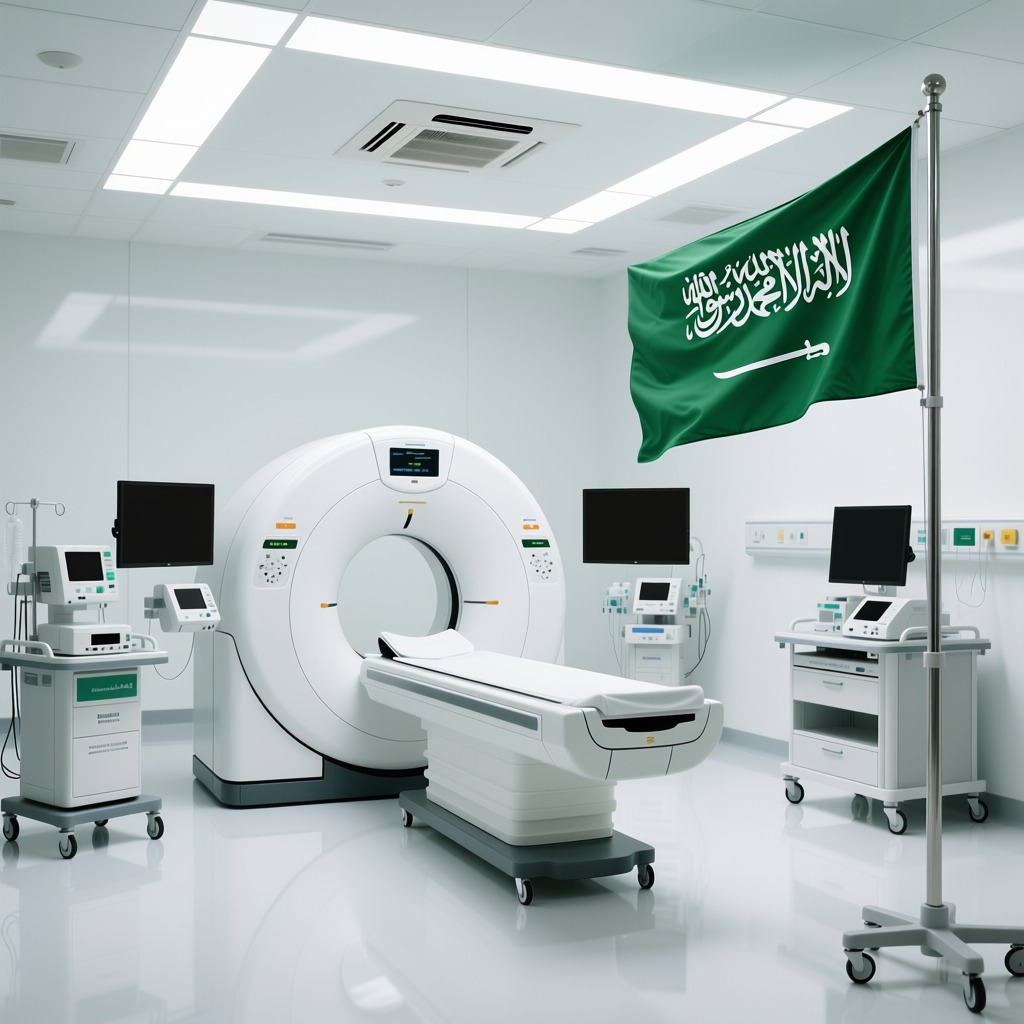

When considering entering the medical devices sector in Saudi Arabia, business owners face a key regulatory question: Is registering the establishment in the Medical Device National Registry (MDNR) sufficient, or is obtaining an SFDA Establishment License from the Saudi Food and Drug Authority an essential and indispensable step?
To answer this, it is crucial to understand the differences between the two steps, what each entails, and the specific requirements for warehouses or working with a third party before beginning importation or distribution.
Entering the medical devices sector is not an ordinary commercial activity; rather, it is a highly regulated field designed to ensure patient safety and protect the local market from non-compliant products. This is where the fundamental distinction emerges between registering an establishment through the MDNR system and obtaining an Establishment License from the SFDA, as each step plays a specific role in building a compliant operational framework.
First: Establishment Registration (MDNR)
Registering an establishment in the MDNR system is the first and essential step for any entity seeking to engage in the medical devices sector. This system was launched by the SFDA as a centralized registry containing data of all establishments operating in this field.
During registration, the business owner must enter accurate details about the company, including the type of activity, location, contact information, and the designated legal representative.
The importance of MDNR registration lies in the fact that it serves as official proof of the establishment’s presence in the SFDA database, allowing it to proceed with subsequent steps such as applying for licenses or submitting import and distribution requests.
Registration also promotes transparency, enabling the authority to monitor licensed entities and ensure compliance with regulations.It should be noted that MDNR registration alone does not grant the right to import or distribute medical devices; rather, it is a prerequisite to qualify for these activities. Thus, MDNR serves as the mandatory gateway for expanding into the medical devices sector.
Second: SFDA Establishment License Requirements
Once registration in the MDNR is completed, the next and most critical step is obtaining the SFDA Establishment License. This license is the official document that legally authorizes the establishment to perform activities such as importing, storing, distributing, or maintaining medical devices, depending on the scope of the license granted.
The requirements for this license include several key elements: appointing a qualified legal representative to oversee the establishment’s compliance obligations with the SFDA, implementing clear quality management policies, and ensuring the availability of a warehouse that meets approved storage specifications. The establishment must also demonstrate its ability to handle medical devices in a way that preserves product safety and effectiveness.
Obtaining the license is not considered a mere formality but rather a rigorous process that demands adherence to regulatory standards. The SFDA reviews documentation, assesses warehouses, and may conduct site visits to verify readiness. Without this license, an establishment cannot legally place any medical device on the Saudi market, regardless of whether it is registered or approved in other countries.
Third: Warehouse and Third-Party Options
One of the major challenges establishments face during the licensing phase is the warehouse requirement. The SFDA mandates that medical devices be stored in dedicated facilities that comply with strict standards. These standards include temperature and humidity control, proper security systems, and detailed records of receipt and distribution.
However, not every establishment has the capacity to build its own warehouse from the outset. This is where the option of using a third party becomes practical. Establishments may contract with SFDA-licensed warehouses to provide storage and distribution services on their behalf. This approach offers a practical solution for smaller or newly established companies that lack the resources to develop a full infrastructure from day one.
Working with a third party is also subject to SFDA oversight, as the contracted warehouse must itself be licensed and approved by the authority. Otherwise, it will not be accepted as part of the licensing requirements. This ensures that all medical devices pass through a compliant supply chain, whether warehouses are owned directly by the establishment or outsourced to a third party.
From the above, it is clear that establishing a business in the medical devices sector requires a sequence of interconnected steps: registering the establishment in the MDNR, applying for the SFDA Establishment License, and ensuring the availability of a compliant warehouse or contracting with an approved third party. These three stages form the foundation for operating legally and effectively in the Saudi market.
Understanding the distinctions between registration and licensing, and meeting the warehouse requirements, helps business owners avoid setbacks and provides a clear pathway toward full regulatory compliance.
If you are planning to enter this field, the most important step to take today is to begin the official registration process and then complete the subsequent requirements leading to final licensing. Start registering your establishment and lay the right foundation for a compliant and successful medical devices business.