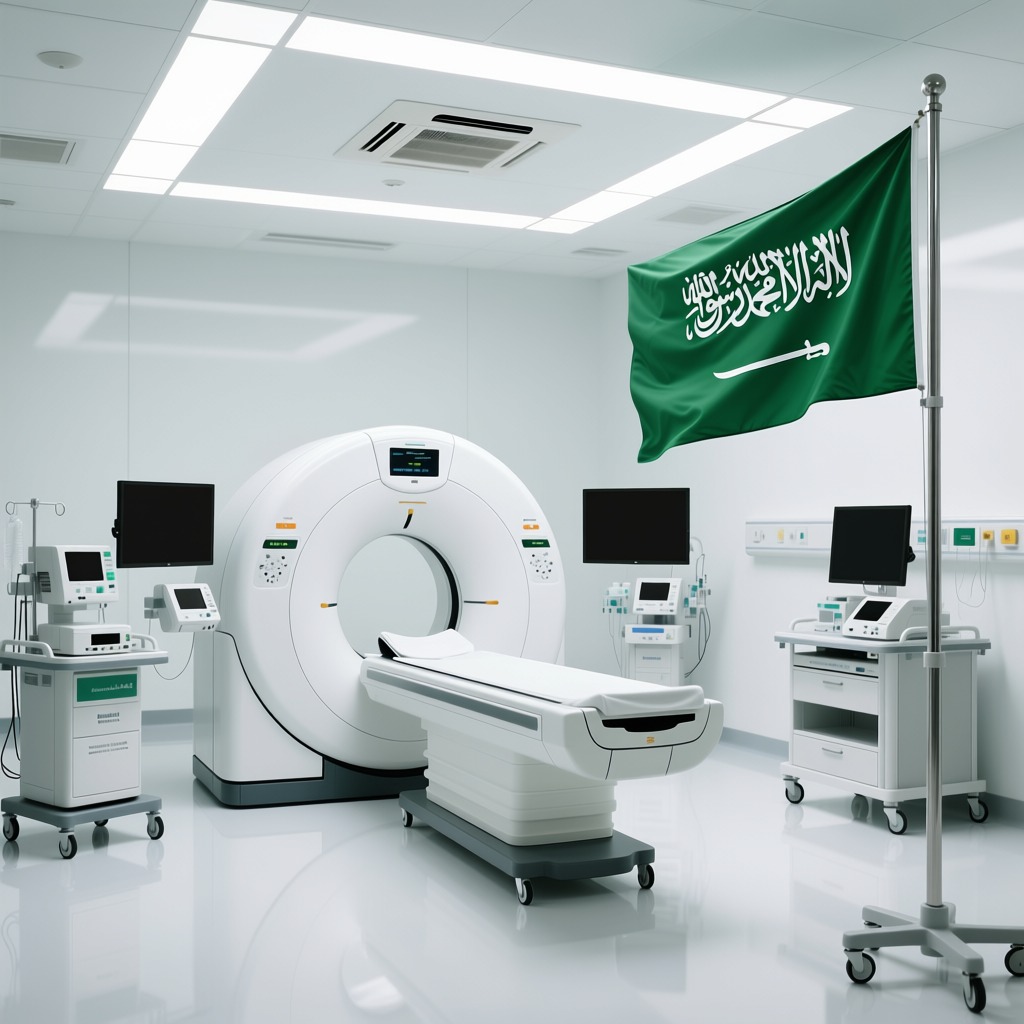

Safety of Surgical Outcomes Starts with Operating Room Integration. Equipping a modern operating room is not only about buying a single device; it is an engineering and organizational process. It connects a stable electric operating table, precise surgical lighting, and medical display systems that provide real-time vision and information to the surgical team. When these elements are combined properly, they create a work environment that reduces errors, speeds up decision-making, and increases the chances of successful procedures. In this article, we explain in detail the practical standards for each part to help you make the right decision when setting up a smart operating room.
(1) Durability and Stability Standards
The operating table is not just a platform for the patient; it is an essential part of surgical workflow. Choosing the right electric operating table depends on durability and stability because any vibration or sliding affects surgical accuracy and the team’s comfort.
a. Load capacity and patient weight
Make sure the table can carry more than the maximum expected weight in your facility with a safe margin. Good tables list both static weight capacity and dynamic capacity (during movement and adjustments). This ensures the table does not collapse or tilt when moving the patient or changing position.
Load adjustment options are also important when handling cases that require extra devices such as imaging tools or respiratory equipment.
b. Surface stability and balance
The table surface should be firm and non-slippery, with channels to secure devices and instruments. A stable table prevents tilting during delicate surgeries like neurosurgery or eye surgery.
The base system should be wide and designed to prevent recoil or shaking, especially when using shock devices or mobile imaging machines.
c. Adjustment flexibility and ease of use
An electric table that allows height, lateral tilt, and back/leg angle adjustment with a button saves team time and reduces physical effort.
Preset positions for common cases help prepare patients quickly and reduce mistakes. A secure locking system ensures no accidental changes during surgery.
d. Surface materials and infection control
Materials must resist disinfectants, be easy to clean, and ideally have antibacterial layers. This reduces infection risks and extends the table’s lifespan.
(2) Light Distribution
Surgical lighting is not just general room lighting; it is a medical tool itself. The quality of surgical LED lights affects field clarity, tissue distinction, and reduces eye strain for surgeons.
a. Intensity and uniformity
Lighting must provide strong adjustable intensity according to surgery type. Low intensity reduces visibility, while too much may cause glare. Precise adjustment is essential.
Uniformity means light reaches the field without shadows or bright spots. Multi-head systems and lens technology help create a uniform light field.
b. Color balance and Color Rendering Index (CRI)
A high CRI helps surgeons distinguish tissues better. LED lights with high CRI provide colors close to natural, reducing mistakes in identifying tissues or bleeding.
c. Flexibility of direction and low heat
Light heads should rotate easily to direct beams without moving the patient or table. LEDs produce less heat than traditional lights, improving comfort and reducing tissue dryness.
d. Integration with cameras and display systems
Built-in mounts and hidden cables allow easy integration of surgical cameras and imaging systems without clutter. Some lighting systems include cameras and video connectors to broadcast images directly to monitors.
(3) Video Integration
Medical display systems transform data and images into direct visual support for surgeons. Video integration means connecting cameras, radiology devices, and vital sign monitors into one easy-to-use screen.
a. Display quality and resolution
Screen resolution (Full HD or 4K as needed) affects the ability to see small vessels or fine tissue details. High-resolution monitors support zooming with minimal quality loss. Multiple monitors in key locations help every team member view needed data.
b. Connectivity and compatibility
The system should support common medical video formats, with HDMI, DVI, and network interfaces for multiple inputs. Integration with the hospital’s PACS system allows quick access to past images for comparison during surgery.
c. Recording and live streaming for education and review
Video and audio recording of procedures help in clinical reviews, training, and quality improvement. Secure live streaming for educational purposes inside or outside the hospital can be enabled with privacy and access controls.
d. User interface and central control
A central control panel allows switching video sources, rotating images, and zooming without disturbing the procedure. Touchscreens or familiar interfaces reduce mistakes and improve response speed.
Safety of results starts with operating room integration. When setting up a smart operating room, do not treat components separately. A stable electric table, uniform and precise surgical lighting, and integrated medical display systems must all work together as one system. Choose equipment that withstands daily use, supports easy maintenance, and ensures smooth video and device integration. This way, errors decrease, team efficiency improves, and patients receive better outcomes.
If you would like to equip a fully integrated operating room tailored to your hospital, request a complete OR package that includes equipment, installation, and staff training.