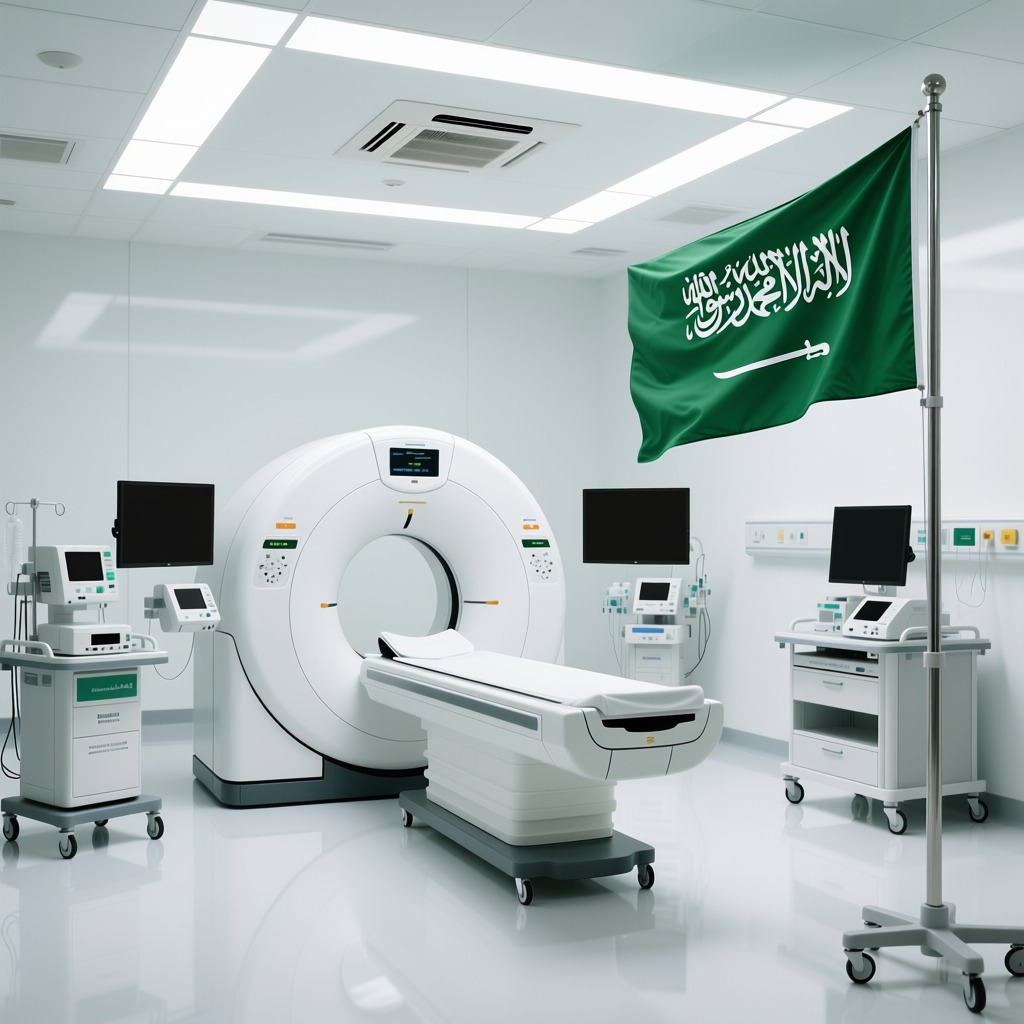

In the modern world of healthcare, no hospital can guarantee the quality of its medical services without relying on a team of specialists in maintaining and operating medical devices. Among these specialists, the certified biomedical engineer plays a central role in ensuring that every device works efficiently and serves its purpose. Choosing qualified engineers is not just an administrative decision—it directly affects patient safety, doctors’ trust, and the hospital’s reputation.
So, what should a hospital director look for when hiring or training biomedical engineers? The answer can be summarized in three key areas: academic and professional qualifications, practical experience with sensitive devices, and electrical safety checks. These three elements form the foundation of any serious evaluation before giving an engineer responsibility for vital medical equipment.
First: Qualifications
Qualifications are the first step in determining how serious an engineer is and whether they are ready to handle responsibility. A hospital director cannot rely on someone who has not received specialized education in biomedical engineering. This is where the difference appears between a general engineer and a certified biomedical engineer with an academic degree from a recognized university or institution.
The academic degree is not just a piece of paper; it reflects years of theoretical and practical training that give the engineer broad knowledge in anatomy, physiology, and the basics of medical devices. This scientific background helps them understand the hospital’s medical needs and connect them with the right technical solutions.
But qualifications are not limited to the university degree. Specialized courses also raise the engineer’s efficiency and prepare them to keep up with modern technology. Ongoing technical training, whether through device manufacturers or professional programs, is very important. An engineer who regularly improves their skills is more capable of handling sudden malfunctions and solving problems quickly and effectively.
Therefore, when evaluating qualifications, the hospital director should ask: Does this engineer have certified degrees? Do they regularly attend modern technical training programs? Are they up to date with the latest innovations in their field? These questions help in making a smart hiring decision.
Second: Experience with sensitive devices
If qualifications are the theoretical base, then experience with sensitive devices is the practical test of an engineer’s abilities. Medical devices vary in complexity. Some, like MRI scanners, ventilators, or heart monitoring units, require high levels of expertise. Any mistake in maintaining them could lead to dangerous consequences for patients.
That is why hospital directors must look for engineers with proven experience handling these sensitive devices. Experience is not only about years of work but also about the types of devices managed and how successful the engineer has been in maintaining them.
For example, an engineer who has worked in an intensive care unit has valuable experience because they handled precise equipment such as infusion pumps and continuous monitoring tools. Similarly, an engineer who has worked with medical device manufacturers gains an advantage by learning the internal mechanisms of devices and how to maintain them accurately.
It is also essential that the engineer has experience communicating with medical teams. Engineers do not work in isolation—they need to understand doctors’ and nurses’ technical needs and provide support quickly. Once again, technical training helps prepare the engineer to handle critical situations and communicate well with the medical staff.
In short, experience with sensitive devices is the practical indicator of whether an engineer can keep medical services running smoothly without risks to patients.
Third: Electrical safety
It is impossible to discuss biomedical engineering without focusing on electrical safety. All medical devices rely on electrical power, and any fault in this area could cause serious accidents. This is where the engineer’s role in performing regular electrical safety checks becomes vital, ensuring every device operates within safe limits.
Electrical safety checks are not routine formalities—they require specialized knowledge of international standards such as IEC and NFPA. A qualified engineer knows how to use testing tools to measure insulation, grounding resistance, and current leakage. These tests protect patients from potential electrical shocks and ensure the hospital complies with global safety regulations.
A certified biomedical engineer does more than just conduct these tests; they also train the technical team on how to respond to warning signals or electrical faults. This preventive step reduces the chance of accidents and increases management’s confidence that the hospital is a safe working environment.
Additionally, focusing on electrical safety creates a positive image for the hospital in front of inspection and accreditation bodies. A hospital with a technical team performing regular safety checks will find it easier to pass international accreditation tests without problems.
Hiring and preparing biomedical engineers is not just an administrative matter; it is a direct investment in patient safety and the hospital’s reputation. A successful director focuses on academic and professional qualifications, seeks experience with sensitive devices, and prioritizes electrical safety checks. Together, these three elements form a complete system to ensure the hospital works efficiently and delivers the best possible care.
If you are a hospital director and want to secure this level of quality, the next step is clear: hire a certified technical team with the right qualifications, proven experience, and a commitment to performing regular electrical safety tests. By doing this, you can ensure that your medical devices operate at the highest standards and that patients’ lives are always in safe hands.