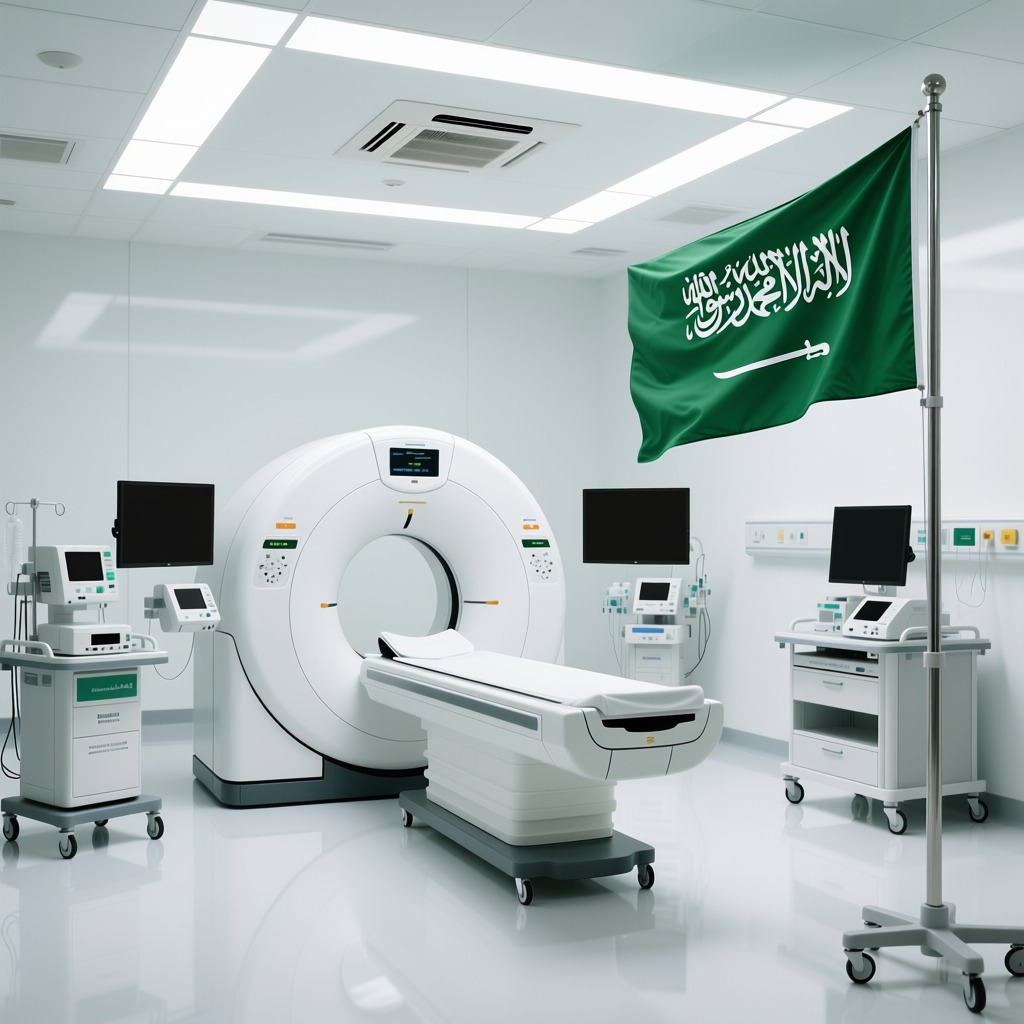

In the world of healthcare and hospitals, medical equipment is the backbone of daily operations. Its accuracy and safety not only ensure quality diagnosis and treatment but also protect patients’ lives and make doctors’ tasks easier. This is why having a comprehensive and effective medical equipment maintenance contract is essential—it acts as the first line of defense against sudden failures and unplanned downtime.
A preventive maintenance contract does not only repair equipment when a problem occurs. Instead, it provides a full plan to keep performance at its best and reduce the chances of breakdowns. To achieve this, the contract is built on three main pillars: PPM (Planned Preventive Maintenance) and scheduling, SLA (Service Level Agreement) response time, and the supply of spare parts from trusted sources.
This article will explain each pillar in detail to understand its role in creating a complete maintenance contract that ensures the highest levels of efficiency.
First: PPM and Preventive Maintenance Scheduling
When we talk about preventive maintenance, we mean organized steps to check medical devices regularly before any failure happens. This includes PPM (Planned Preventive Maintenance), which is maintenance planned in advance according to well-studied schedules.
This stage includes:
- Regular inspection: Checking the performance of equipment and ensuring it meets standards.
- Cleaning and calibration: Keeping devices accurate, especially measuring devices such as patient monitors and ventilators.
- Lubrication and replacing worn parts: Preventing sudden failures.
The benefit of clear scheduling in a medical equipment maintenance contract is that it gives the hospital a precise work plan. Instead of waiting for failures, technical teams are already prepared and follow a plan that prevents devices from stopping at critical times.
That is why PPM is as important as any financial or administrative item in the contract. It is the key to continuous work and high-quality medical service.
Second: SLA Response Time
In hospitals, every minute counts. A preventive plan alone is not enough. The contract must include a clause that defines the SLA (Service Level Agreement) for maintenance.
This clause specifies the time in which the service provider must respond to reported failures. For example:
- Urgent response within 4 hours for critical failures that stop an entire unit.
- Response within 24 hours for less severe issues.
This system creates transparency between the hospital and the service provider. The hospital knows its rights in advance, and the provider commits to exact response times.
Including SLA in the contract ensures:
- Reduced unexpected downtime.
- Fast handling of urgent problems.
- Avoiding financial or medical losses caused by repair delays.
This is what makes the difference between a basic maintenance contract and a professional medical equipment contract. The first may leave things unclear, while the second clearly defines when and how intervention takes place.
Third: Spare Parts and Trusted Sources
The spare parts clause is just as important as the previous two. Sometimes, even with regular inspections or quick responses, equipment cannot be fixed without original or approved spare parts.
An effective contract must clearly state:
- Sources of parts: Are they original from the manufacturer, or high-quality approved alternatives?
- Supply time: How long it takes to get the required parts.
- Reliability: Guarantee that parts meet medical standards and do not endanger patients.
For example, replacing a part in an X-ray or sterilization machine must be done with parts that meet strict specifications, because any mistake can affect patient safety or stop the device for weeks.
Adding this clause to a medical equipment maintenance contract ensures the hospital will not face critical situations caused by unreliable parts or supply delays.
The Integrated Relationship Between the Three Pillars
Looking at these three pillars together, we see they work as a complete safety net:
- PPM and scheduling reduce the chances of failure.
- SLA response time ensures fast intervention when failures happen.
- Spare parts and reliability provide the final solution with trustworthy repairs.
This integration makes a preventive maintenance contract more than just an administrative document. It becomes a full strategy to protect investments and ensure continuous medical services.
Creating a medical equipment maintenance contract should not be just a routine procedure. It is a strategic step that protects patients’ lives and supports hospital efficiency. By focusing on preventive maintenance (PPM and scheduling), defining SLA (response time), and ensuring reliable spare parts, the contract becomes a powerful tool to reduce breakdowns, maintain compliance, and safeguard healthcare quality.
Hospitals that rely on a clear and effective contract save themselves financial and technical losses, while also ensuring peace of mind for both staff and patients.
Start an annual maintenance contract today to protect your medical equipment from surprises and keep your first line of defense always ready.