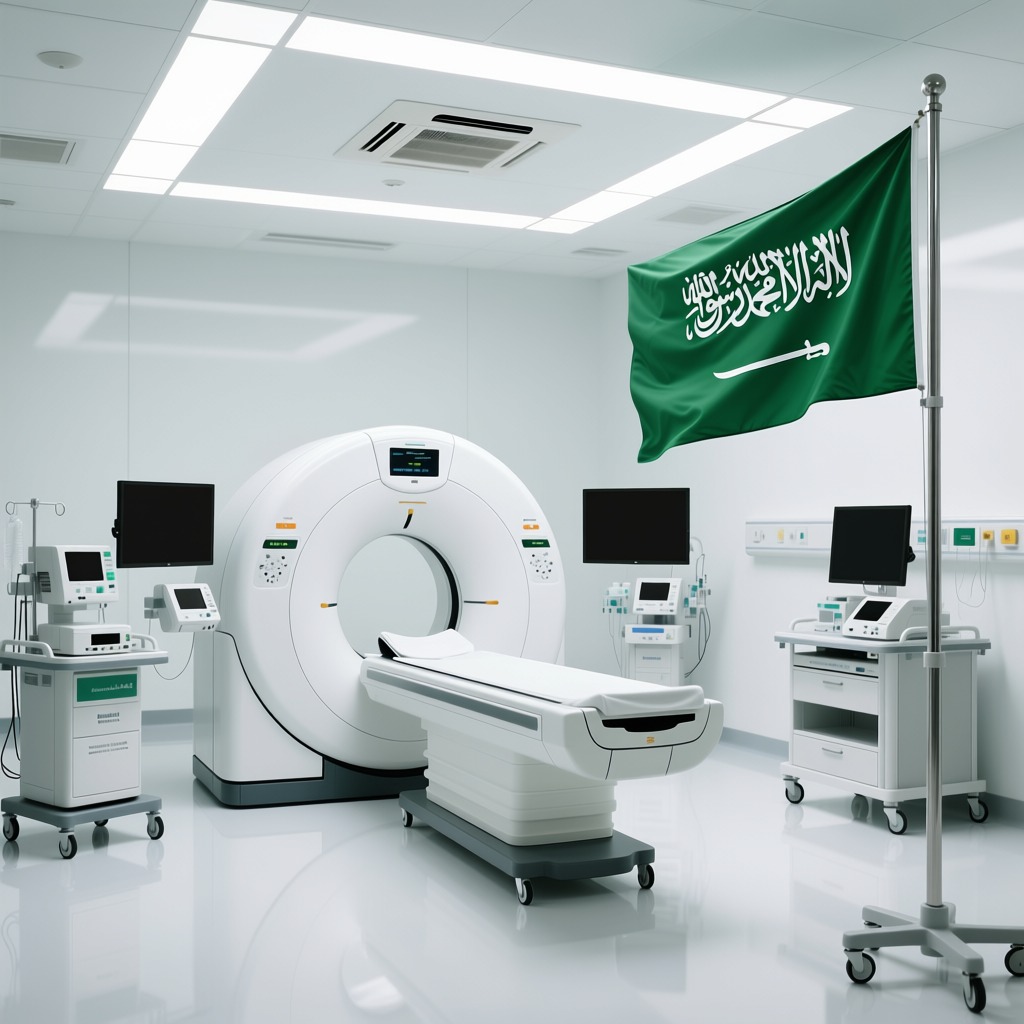

In the world of medical devices in hospitals, the journey of acquiring a new device does not end with just receiving or installing it in its designated place. On the contrary, the period after delivery documentation is the most important phase, as it determines whether the device will work efficiently and serve the hospital’s goals or become a burden due to frequent malfunctions or incorrect use. Here, the role of practical medical device training becomes crucial, as it shortens the learning curve, reduces the chance of errors, and ensures maximum benefit from the investment.
Hospital procurement departments often view the supply process as just a financial transaction: choosing a device, signing the contract, and receiving it. But a broader perspective shows that supply cannot be separated from training. No matter how advanced a medical device is, it will not perform its function unless the team can operate it efficiently.
For this reason, it is necessary to include a clear clause in the supply contract linking delivery documentation with the start of a practical training program for the team. This connection puts the hospital in a better position regarding pre-operational readiness, ensuring the device is not tried for the first time during a critical medical situation. Instead, the team will have already gained the skills to operate it.
Step-by-Step Training Plan
Any effective medical device training program should be based on three interconnected pillars: a clear training plan, competency assessment, and follow-up after 30 days.
1. Training Plan for Nurses and Doctors
Once the new device is received and delivery is officially documented, the first phase—training—begins. This plan should be divided into two parts:
- Nurse Training: Focus on daily operation procedures, such as turning on the device, monitoring indicators, and replacing accessories.
- Doctor Training: Cover advanced clinical aspects, such as interpreting results, handling alerts, and adjusting advanced settings according to the patient’s condition.
The goal is for each team member to be able to use the device safely and accurately within their role, ensuring genuine pre-operational readiness.
2. Competency Assessment
After the initial training sessions, it is not enough to assume that everyone has mastered the skill. A practical competency assessment should measure:
- Speed in operating the device.
- Accuracy in reading indicators.
- Response to emergency situations, such as false alarms or sudden device stops.
This assessment identifies any gaps needing retraining or additional support and prevents errors that may occur later in critical situations.
3. Follow-Up After 30 Days
The third step is performance follow-up one month after practical use. By this time, the team has faced real-life scenarios and may have encountered some difficulties. A review session after 30 days helps to:
- Address problems faced by the staff.
- Review correct operational procedures.
- Build confidence in using the device.
This follow-up is an essential part of the medical device training cycle, ensuring sustainable performance rather than just immediate learning.
Delivery Documentation
Some may think delivery documentation is just an administrative paper proving receipt of the device, but its role is much deeper. It:
- Officially marks the start of the warranty.
- Links device receipt with the start of training.
- Provides a reference in case of future disputes with the supplier regarding malfunctions or misuse.
Therefore, any hospital aiming to ensure efficient device operation should place delivery documentation at the center of its operational strategy.
Pre-Operational Readiness
Before a device enters service in the emergency room or ICU, pre-operational readiness must be confirmed. This readiness is more than just connecting the power or checking accessories; it includes:
- Practical testing of the device in the presence of the supplier and medical team.
- Ensuring performance meets the declared specifications.
- Conducting realistic simulations of medical cases using the device.
Achieving this readiness ensures that the device will not be an unpleasant surprise during a critical moment but a reliable tool for the team to save lives.
Reducing Malfunctions Through Training
Statistics show that a large portion of medical device malfunctions is not due to manufacturing defects but improper use, such as:
- Entering incorrect settings.
- Ignoring routine maintenance messages.
- Using incompatible accessories.
Practical and intensive medical device training can greatly reduce these malfunctions, saving hospitals high maintenance costs and extending the device’s useful life.
Training as an Investment, Not a Cost
Some may view training programs as an additional cost, but in reality, they are a long-term investment. Every minute spent by the team in training saves tens of minutes during critical cases. Every error avoided through training saves the hospital thousands in maintenance or potential compensation.
Towards an Integrated Operational System
When the supply process is linked to training, and delivery documentation is connected to pre-operational readiness, the hospital builds an integrated system that protects its investments and ensures patient safety. This system is only complete with a clear training plan, periodic competency assessments, and continuous follow-up.
In conclusion, post-delivery is not a secondary phase; it is the decisive step that determines the success of investment in medical devices. Practical training reduces malfunctions and shortens the learning curve, while delivery documentation and pre-operational readiness ensure the device is ready to perform when the patient needs it.
Book an on-site training session now with a specialized team that ensures your medical devices operate safely and efficiently, giving your staff full confidence to handle any situation.