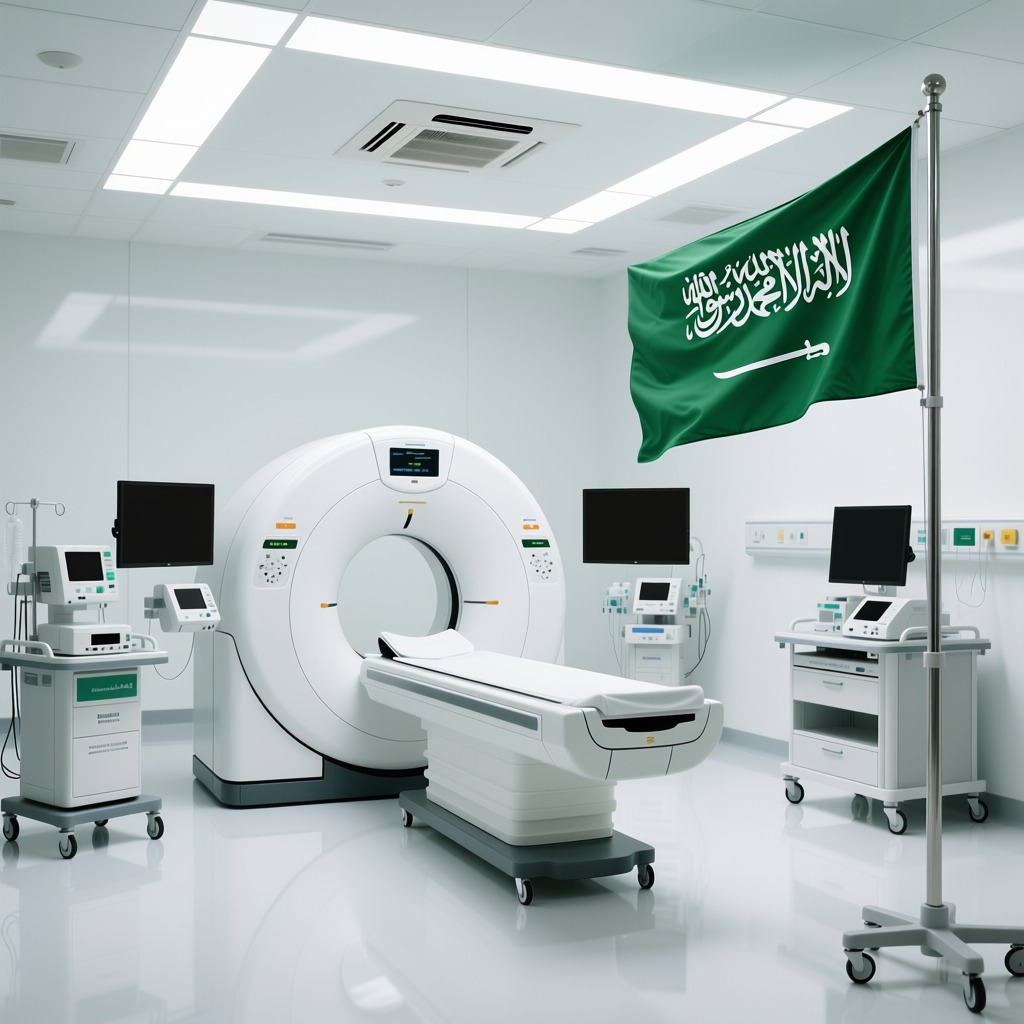

Licensing medical warehouses is a fundamental step for any institution engaged in the storage and distribution of medical supplies and equipment. No entity can commence operations without obtaining the regulatory approvals that ensure compliance with the requirements of the Saudi Food and Drug Authority (SFDA). A medical warehouse is not just a storage location; it is a vital link in the supply chain that directly impacts the quality and safety of what reaches hospitals and patients.
From this perspective, obtaining a medical warehouse license becomes a strategic necessity—not only for legal compliance but also to secure the trust of clients and partners, and to implement quality governance in the healthcare sector. In this article, we will outline the key requirements for licensing medical warehouses, focusing on SFDA compliance and the importance of an integrated quality management system.
SFDA Compliance Requirements
The Saudi Food and Drug Authority (SFDA) enforces strict regulations to ensure the safety of the medical supply chain. When applying for a medical warehouse license, institutions must demonstrate their ability to meet these standards. These requirements include a suitable geographical location, organized storage spaces, refrigeration and preservation systems appropriate for medical products, as well as accurate documentation procedures for every process.
Compliance with SFDA standards is not just about paperwork; it reflects a real commitment to implementing global practices that safeguard patient lives. Licensed warehouses guarantee that medical products reach the end-user with the same quality and efficiency as when they left the manufacturer.
Governance and Operational Quality
Governance is a core element in managing medical warehouses. It relates to an organization’s ability to set transparent rules and well-planned operational practices. Licensed warehouses are not limited to storing products; they adhere to clear policies for receiving, inspecting, and distributing supplies, in addition to providing periodic reports that reflect their level of compliance with quality standards.
Governance is not restricted to administrative aspects alone but also covers operational areas such as continuous monitoring of temperature and humidity, protocols for handling damaged or returned products, and ensuring that transportation is conducted under safe and hygienic conditions.
Documented Storage and Transportation Procedures
A fundamental requirement for licensing a medical warehouse is that all storage and transportation operations must be documented. Every step should be accurately recorded in certified logs, whether electronic or paper-based. This documentation allows for product traceability at any time, tracking their source and condition from the moment they enter the warehouse until they reach the customer.
Documentation is not a mere formality; it is a critical component of the quality system. In the event of an error or disruption in the supply chain, documented records make it possible to quickly identify and correct the issue. Furthermore, proper documentation strengthens regulatory and client confidence in the efficiency of licensed warehouses.
Quality Management System in Medical Warehouses
It is impossible to discuss medical warehouse licensing without addressing the importance of a quality management system. This system provides a comprehensive framework that ensures standardized processes and the highest levels of efficiency. A licensed medical warehouse must have clear mechanisms for performance monitoring, risk assessment, employee training, and continuous improvement.
Having an integrated quality management system means that every employee knows their role precisely and that every process is subject to supervision and evaluation. This reduces operational errors, reinforces consistent SFDA compliance, and enhances the institution’s reputation. Applying quality standards also increases an organization’s ability to secure contracts with major companies and hospitals.
The Importance of Licensed Warehouses in the Healthcare Sector
The importance of licensed warehouses in healthcare goes beyond legal obligations; they are a cornerstone of safeguarding the entire health system. A licensed medical warehouse serves as the first line of defense in protecting the supply chain from disruptions that could cause serious harm. By adhering to licensing requirements, the entry of non-compliant or unverified products into the market is prevented, protecting patients from the risks of unsafe or ineffective medical supplies.
Licensing ensures that all stages of storage and distribution are under strict supervision and monitoring, preserving the quality of medical supplies until they reach the end-user. Licensed warehouses also promote transparency between suppliers and clients, as clients know that the products they receive are monitored under official regulations and recognized standards. This reflects the institution’s commitment to delivering trustworthy services.
Moreover, the benefits extend beyond legal and regulatory aspects to significant economic and strategic dimensions. Investing in medical warehouse licensing is essentially an investment in trust and quality. Institutions with official licenses gain strong credibility in the market, making them more capable of securing large contracts with hospitals, government entities, and private organizations. This, in turn, enhances their sustainability and provides a clear competitive advantage.
In summary, licensed warehouses represent a real safeguard for the healthcare sector. They maintain the quality of medical products, prevent risks to patient safety, and build trust across the healthcare ecosystem. From a business perspective, they are a successful investment in the institution’s future and its competitive standing.
Licensing medical warehouses requires more than administrative procedures; it demands a comprehensive vision that focuses on SFDA compliance, the implementation of governance, and the assurance of quality operations through precise systems. A licensed medical warehouse is the cornerstone of protecting patient lives and ensuring the safe and efficient delivery of medical supplies.
If you are about to begin operations in this field, do not hesitate to take the first step that will set you on the right path. Book a warehouse licensing consultation today to start your journey toward full compliance and sustainable quality.