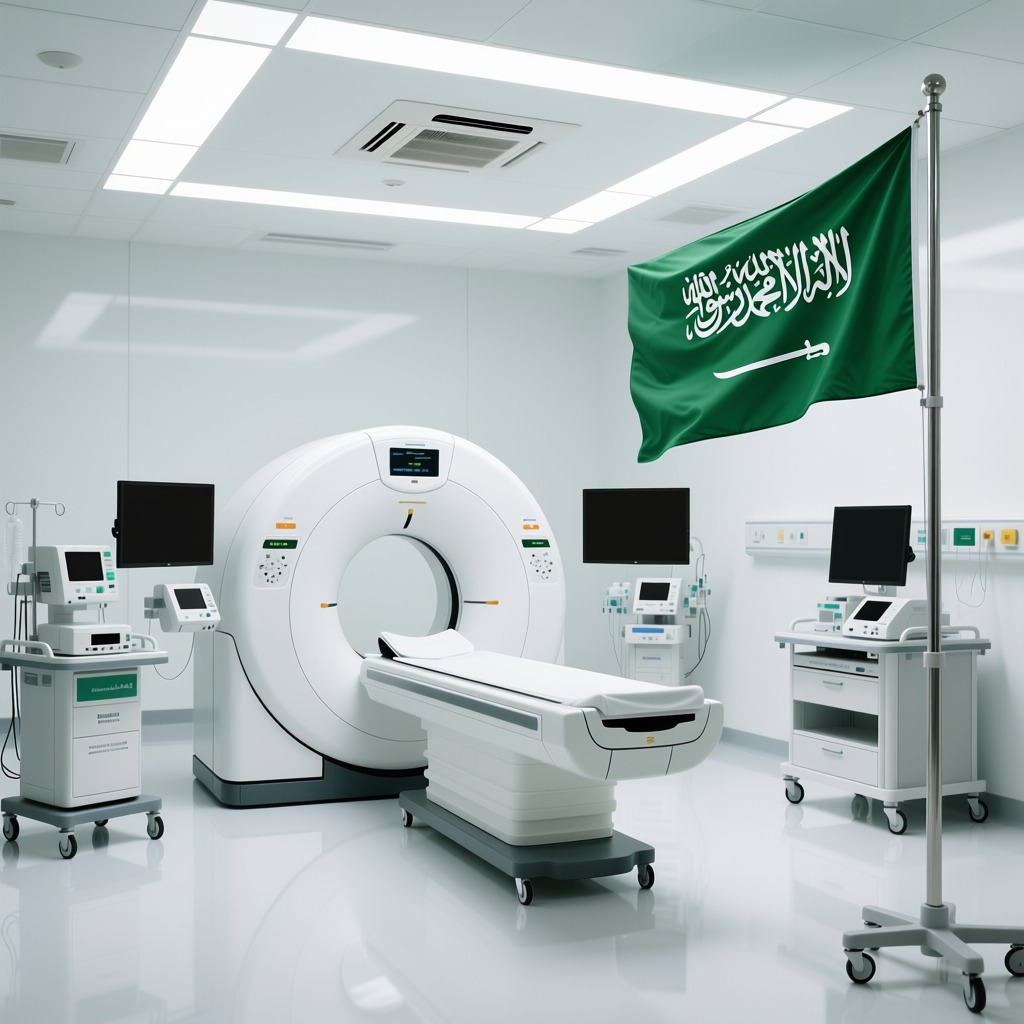

Medical inventory management is one of the most important pillars of the healthcare sector. It is not merely a process of storing medicines and supplies, but rather an integrated system aimed at ensuring dispensing accuracy and reducing waste. In a highly sensitive environment such as hospitals and health centers, medical inventory management becomes a vital tool for protecting patients’ lives and ensuring continuity of medical service without interruption or disruption. Through well-structured systems and clear governance, healthcare institutions can achieve high efficiency in resource utilization and avoid many risks associated with losing control of inventory.
Medical inventory management is not limited to the entry and exit of products from the warehouse; it includes a comprehensive set of processes that begin with receiving and documenting, passing through the application of dispensing systems such as FIFO and FEFO, and ending with preparing periodic reports for clients and regulatory bodies. These steps form an interconnected chain that maintains inventory quality and ensures its use at the right time before expiration.
Systems and Governance in Medical Inventory Management
Systems and governance are considered the foundation for ensuring effective medical inventory management. Governance refers to setting the rules and policies that define how to handle inventory, while digital systems provide accurate tools for execution and monitoring. For example, digital inventory tracking systems can record each item upon entry to the warehouse, linking it to the production and expiration dates, as well as the supplier’s name. This linkage facilitates auditing and prevents manipulation or the entry of products that do not meet specifications.
Modern systems also enable the creation of early warning levels when the quantity of a certain item decreases or when some medicines are close to expiration. This reduces the probability of waste and ensures that hospital needs are met at the right time. Thanks to such governance, the healthcare institution can manage medical inventory transparently, reflecting professionalism and contributing to building trust with patients and clients.
Receiving and Documenting Inventory
The receiving and documenting stage is the real beginning of any successful medical inventory management process. Upon the arrival of shipments to the warehouse, the received quantities are matched against purchase orders, the packaging integrity is verified, and all data are recorded in the digital system. This precise documentation not only ensures awareness of what has been received but also facilitates later inventory checks and audits.
Documentation also includes recording temperature data for sensitive products and assigning them to the appropriate storage location inside the warehouse. For example, medicines that need refrigeration are immediately placed in equipped refrigerators and linked to temperature monitoring records. In this way, every medical product is placed under careful monitoring that ensures its effectiveness until it reaches the patient.
FIFO and FEFO: Ideal Dispensing Systems
One of the biggest challenges in medical inventory management is reducing waste caused by expired products. Here comes the role of applying FIFO (First In, First Out) and FEFO (First Expired, First Out). FIFO ensures that the oldest products received are dispensed first, while FEFO focuses on expiration dates to ensure dispensing products nearing expiration before others.
Applying FEFO is more precise in the medical field, given that certain pharmaceutical products are sensitive and must be used quickly before a specific date. When these systems are strictly implemented in medical inventory management, they directly contribute to reducing waste rates and saving additional costs that would otherwise be spent on repurchasing expired, unused products.
Periodic Reports for Clients
An essential part of governance and transparency is preparing periodic reports for clients or the entities supervising the warehouse. These reports do not only list the available quantities but also include data on expiration dates, consumption rates, and items at risk of shortage. Such practices enable the medical institution to plan ahead and avoid crises that may arise from shortages of medicines or supplies.
Reports also help strengthen trust between suppliers and clients, as they reflect the institution’s commitment to precise and transparent monitoring. They also serve as a tool for making strategic decisions, such as increasing the stock of certain items during peak seasons or reducing orders for rarely used supplies.
Inventory Tracking and Its Role in Development
Medical inventory management cannot be discussed without addressing inventory tracking. This modern technology relies on barcodes or RFID to record the movement of each product from entry to dispensing. These tools provide a comprehensive real-time view of inventory and prevent human errors in manual recording.
Inventory tracking also enhances internal control, as it becomes possible to identify the person responsible for each dispensing process and review records easily in case of discrepancies. With the integration of such technologies into medical inventory management, operations become faster and more accurate, directly improving the quality of medical services provided to patients.
Medical inventory management is not a secondary task, but a foundation that ensures the continuity of the healthcare system with efficiency and quality. By adhering to systems and governance, applying methods such as FIFO and FEFO, and adopting inventory tracking, waste rates can be reduced, and dispensing accuracy can be achieved. Furthermore, preparing periodic reports strengthens transparency and builds greater trust between clients and suppliers.
Start smart inventory management—the path to development begins with precise details such as how to receive and document a product until its dispensing to the patient. Every carefully calculated step is an investment in public health and the sustainability of the medical institution.