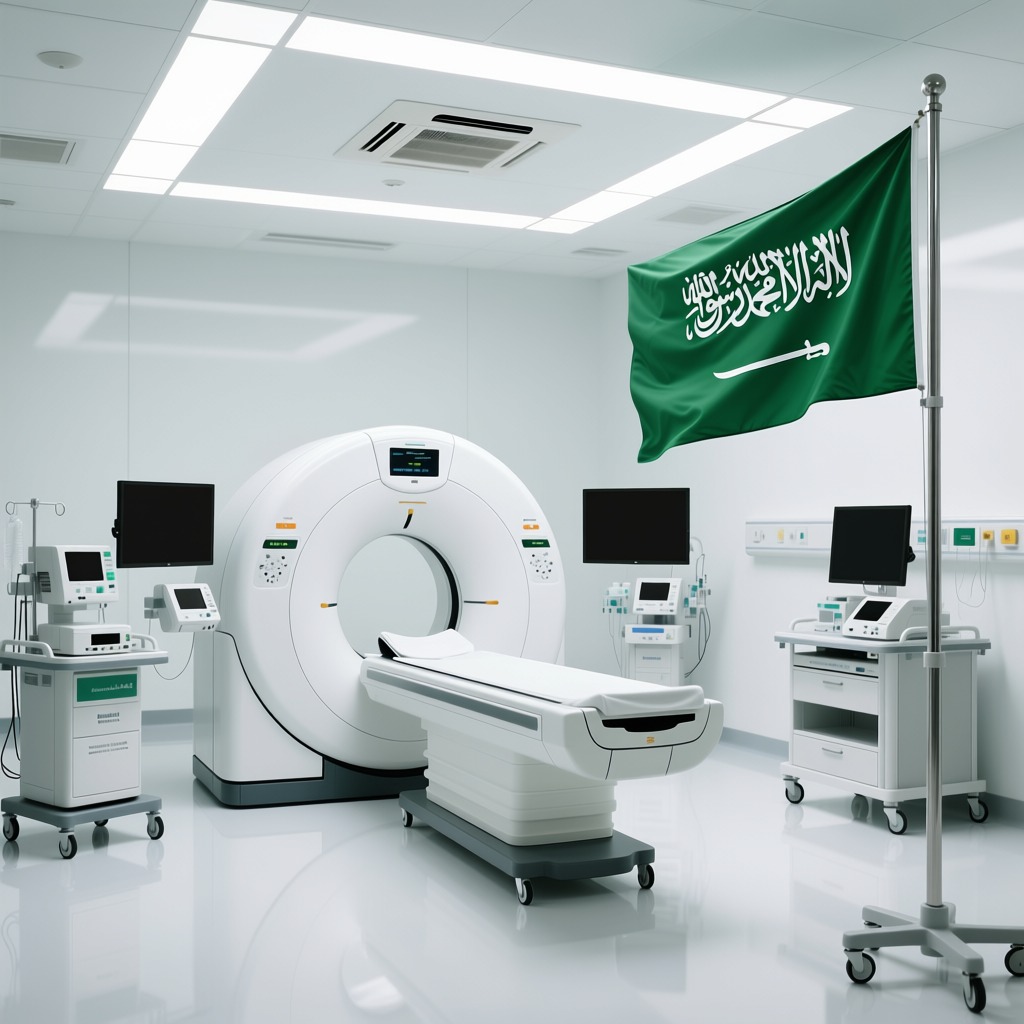

Purchasing a medical device is not a simple step; it is a long-term investment decision that carries significant operational and health responsibilities. Hospitals and medical centers need precise and reliable devices that help diagnose conditions and treat patients efficiently. Therefore, it is essential to choose a trusted medical device supplier before signing any supply contract and to ensure there is a clear device warranty covering malfunctions and supporting the continuity of medical work. This guide presents nine key questions to help you make a sound purchasing decision that ensures quality, continuity, and necessary maintenance services.
1) Does the supplier have accredited certifications?
Official certificates and accreditations are the first indicators of a supplier’s seriousness and credibility. Certificates such as ISO or compliance with international medical device standards give a strong impression that the supplier follows quality standards at every stage: from manufacturing, to inspection, to shipping.
A supplier without these certificates may expose you to significant risks, such as supplying non-compliant devices or difficulty obtaining operating licenses from regulatory authorities. These certificates also simplify periodic inspections and license renewals, and ensure that the device operates according to global safety standards.
Choosing a trusted medical device supplier with these accreditations saves you future problems and increases the chances of obtaining a strong device warranty when purchasing the equipment.
2) Does the supplier have documented previous experience?
Practical experience is a key factor in selecting the right supplier. A supplier with a long record of successful deliveries has experience handling malfunctions, understanding the needs of hospitals, and acting in emergency situations.
When looking for a trusted medical device supplier, it is important to request a list of previous clients and ask about their satisfaction with the service. Experienced suppliers are usually able to provide quick solutions to technical problems and know how to create clear supply contracts and maintenance agreements that protect you from unexpected breakdowns.
In contrast, less experienced suppliers may delay technical support or spare parts, affecting medical workflow and the quality of the provided device warranty.
3) Does the supplier provide training for the medical team?
Buying the device is one step; using it correctly is another equally important step. Advanced medical devices require precise training for both doctors and maintenance technicians. A professional supplier does not just sell the device but offers practical training programs on daily usage, safety procedures, and even how to detect minor malfunctions.
Proper training reduces breakdowns caused by misuse, saves time and effort in maintenance, and enhances the effectiveness of the device warranty. A trained medical team also helps extend the device’s lifespan.
Therefore, it is crucial to ensure that a trusted medical device supplier provides regular training programs and possibly update courses when new versions of the device are released, all within a clear supply contract.
4) How are after-sales services?
After-sales services are a key element for the success of any medical device purchase. These devices are not ordinary tools; they are essential for diagnosing patients and managing critical cases. Providing these services gives medical institutions peace of mind against sudden device failures.
A good supplier commits to offering important services including: 24/7 technical support teams for fast response to any issue, certified service centers near the hospital for easy maintenance, quick availability of original spare parts, and a comprehensive device warranty with preventive maintenance contracts to avoid breakdowns before they occur.
The absence of these services makes the hospital’s investment in the device risky, as a single device failure can affect an entire department and turn the equipment from an effective tool into a difficult burden. This highlights the importance of choosing a trusted medical device supplier who ensures continuous technical support and after-sales services.
5) What types of maintenance contracts are available?
In the world of medical devices, nothing should be left to chance. These devices require clear maintenance plans to ensure they continue to work efficiently. Maintenance contracts define the relationship between the hospital or medical center on one side, and a trusted medical device supplier or service provider on the other.
These contracts vary depending on the level of service and coverage required, and they should comply with a supply contract that guarantees the rights of both parties and includes an effective device warranty in case of malfunctions. The main types are:
- Full-Service Contracts: Cover almost everything, including preventive maintenance, labor, and spare parts, with continuous service availability.
- Comprehensive Contracts during Business Hours: Offer the same services as full-service contracts but only during official working hours, typically Sunday to Thursday, 8 AM to 5 PM.
- Preventive Maintenance (PM) Contracts: Focus on periodic inspections and preventive measures to protect devices from future breakdowns, without covering major repairs or spare parts.
- Labor Contracts: Cover the cost of technicians’ work when a breakdown occurs, while the institution covers the spare parts separately.
- Spare Parts Contracts: Provide spare parts only, with repairs and installation handled by another party.
- Time & Material Contracts: No upfront payments are required; costs are calculated based on the number of work hours and replaced parts as needed.
With these options, medical institutions can choose the contract that fits their budget and needs, whether they seek full coverage for peace of mind or cost-effective solutions with pay-as-you-go arrangements.
6) Why are maintenance contracts important for medical devices?
Long-term maintenance contracts are not optional; they are a real need for every hospital. Medical devices such as imaging devices or ventilators cannot stop working, even for a few hours, as any downtime directly affects patient care.
The importance of these contracts is clear:
- They extend device lifespan through regular preventive maintenance, enhancing warranty effectiveness.
- They reduce sudden breakdowns that could disrupt medical work, especially with a trusted supplier.
- They maintain device efficiency and accuracy, positively affecting diagnosis and treatment quality.
- They help reduce long-term costs, as repairing major breakdowns without a supply or maintenance contract can be very expensive.
7) What are the warranty terms for the devices?
When buying a medical device, ensuring a clear and explicit warranty is essential. A warranty is not just a document; it is legal protection for the buyer against manufacturing defects or early malfunctions.
A good warranty should clearly state: the exact coverage period, whether it includes spare parts or only covers malfunctions, maintenance conditions during the warranty period, and any exclusions.
Having a strong device warranty increases the hospital’s or medical center’s confidence in the device and confirms that a trusted medical device supplier is ready to take responsibility if any problem occurs during the initial period. It is also recommended that warranty terms be included in the supply contract to clearly protect the rights of both parties.
8) Are the terms clearly written in the medical supply contract?
Transparency is essential in any transaction between a supplier and a buyer. Therefore, the medical device supply contract must be written precisely and include all important details.
A good contract should clearly state the technical specifications of the device, delivery schedules, payment stages, warranty and maintenance terms, and also the procedure for resolving any legal disputes.
Having these details protects the hospital from unexpected surprises, makes the relationship with the supplier safer and clearer, and ensures that every step in purchasing and maintenance is defined and guaranteed.
9) Is the supplier a long-term partner or just a seller?
The supplier should be seen as a strategic partner. A good supplier does not disappear after the deal is completed but stays by your side for years, providing technical updates, additional training for the team, and continuous device maintenance.
A supplier who treats the deal as a one-time sale will not offer long-term support. Choosing a supplier who builds a partnership ensures that your investment in medical devices retains its value over time.
By considering these nine questions and their answers, you can make a well-informed purchasing decision based on quality, transparency, and sustainability. Choosing a trusted medical device supplier is not just about price; it is a long-term commitment to patient safety and efficient medical operations.
Thus, the purchase decision becomes a strategic step to protect patients and ensure the continuity of medical work efficiently. Selecting the right supplier saves future costs, provides peace of mind with precise and reliable devices, and ensures that clear maintenance contracts keep the equipment operating at full capacity at all times.
Request supplier consultation before signing any contract to ensure your investment in medical devices is supported by quality, reliable device warranty, and comprehensive maintenance services.