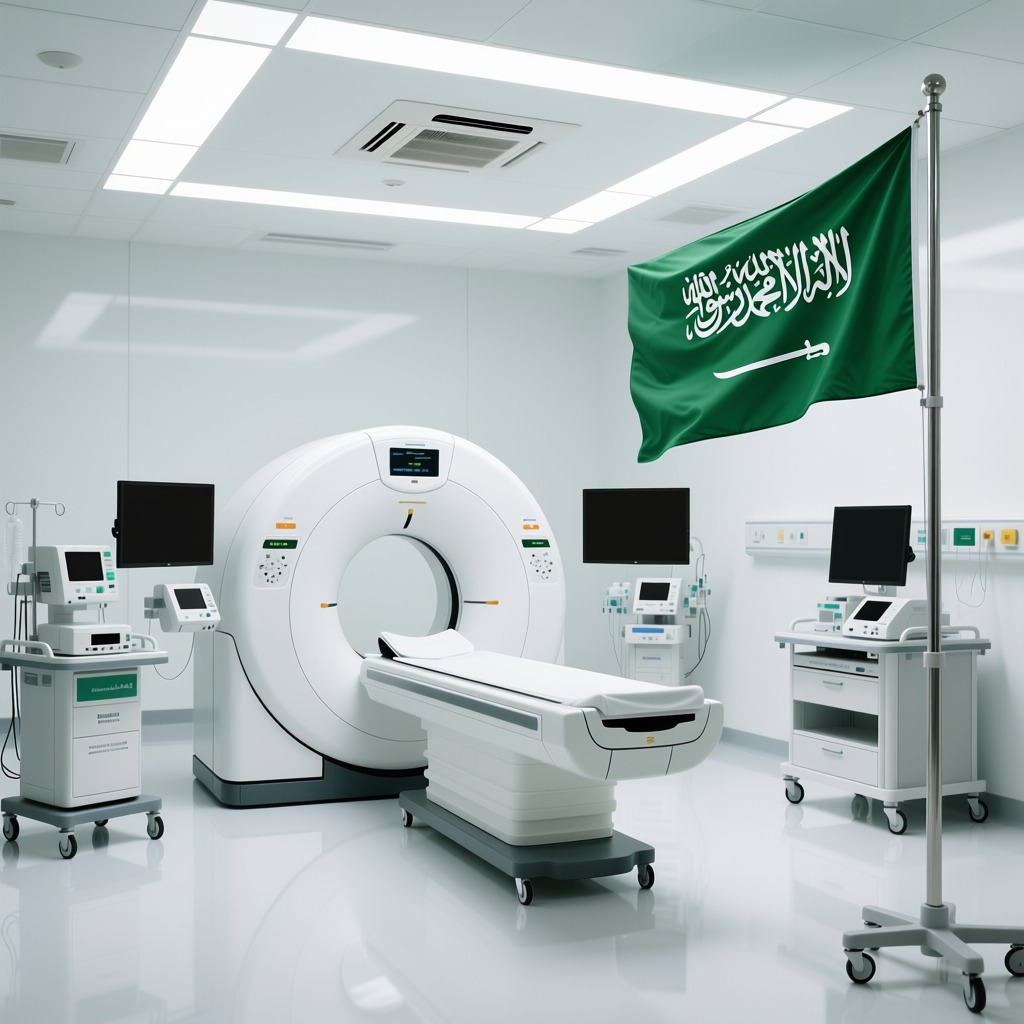

In hospitals and medical centers, ensuring that medical devices are always ready is a key part of maintaining continuous patient care. Any report of a device failure could put a patient’s life at risk if not handled quickly and accurately. This is why having a critical failure response plan is so important. Such a plan helps reduce downtime and ensures the device is back in service as fast as possible.
This plan is not just about technical repair. It is a set of organized steps that start from the moment a failure report is received until the device is either repaired or a backup is provided. In this article, we will explain three main parts of the plan: report classification, quick diagnosis, and operational alternatives when needed.
Report Classification
When a failure report comes from a hospital department, not all problems have the same urgency. For example, a broken ECG machine in the emergency room is far more serious than a broken display screen in a training room. That is why the first step is classifying reports.
Classification usually depends on three main factors:
- The device’s role in saving lives: If it is a vital device like a ventilator or an infusion pump, it is marked as “critical.”
- Impact on medical workflow: Some failures do not stop work completely but may cause delays or extra pressure on staff.
- Availability of alternatives: If another device is available in the same department, the urgency of repair may be reduced.
This stage is essential because it sets the level of response needed and helps the maintenance team manage their efforts effectively. It is like “triage,” ensuring that resources go to the most critical failures first.
Quick Diagnosis
After setting the priority, the next step is quick diagnosis. The goal is not only to find the cause of the problem but also to save time in deciding what to do next: Can the device be fixed immediately, or does it need deeper work or special spare parts?
Quick diagnosis usually follows these steps:
- Communicating with the device user: Asking about the nature of the issue, when it started, and any initial signs.
- Fast on-site check: Inspecting power sources, connections, or external factors that might cause the problem.
- Using smart diagnostic tools: Some modern devices have built-in alarms or error codes that help identify faults quickly.
Speed here does not mean rushing. It means avoiding wasted time between the report and the repair. Every minute saved reduces downtime and lowers the risk of delaying medical services or endangering patients.
Operational Alternatives
Sometimes immediate repair is not possible. The issue might be too complex, or required spare parts may not be available right away. In these cases, operational alternatives are crucial to keep medical work running.
Operational alternatives can take different forms:
- Using a backup device: If the hospital has another unit, it can be used immediately.
- Shifting the service: Patients may be redirected to another department that has the needed device.
- External support: In urgent cases, a device can be rented or borrowed from a supplier until the repair is done.
Having a ready backup plan shows strong management awareness. It ensures that medical services continue even in tough situations, while giving the maintenance team enough time to carry out accurate repairs.
The Role of Corrective Maintenance
All these steps are part of corrective maintenance, which deals with fixing failures after they occur. While preventive maintenance reduces the chances of breakdowns, unexpected failures will always happen. That is why a well-organized response plan is essential.
With a clear process—starting from classification, then quick diagnosis, and finally operational alternatives—downtime can be reduced significantly. This benefits not only operational efficiency but also directly improves the quality of patient care.
Creating a critical failure response plan is not an optional luxury. It is a vital necessity in medical institutions. It ensures continuity of service when unexpected failures occur. Success begins with proper classification, moves through fast and effective diagnosis, and ends with applying operational alternatives when needed.
These three stages turn the maintenance team into a central part of protecting lives, not just devices. Every minute saved through this plan could mean saving a patient’s life or ensuring treatment continues without delay.
If you manage a medical institution and want to protect your investment in devices while guaranteeing top service, the first step is having a solid response plan. Report failures immediately, follow the right response cycle, and make sure downtime is always kept to the minimum.