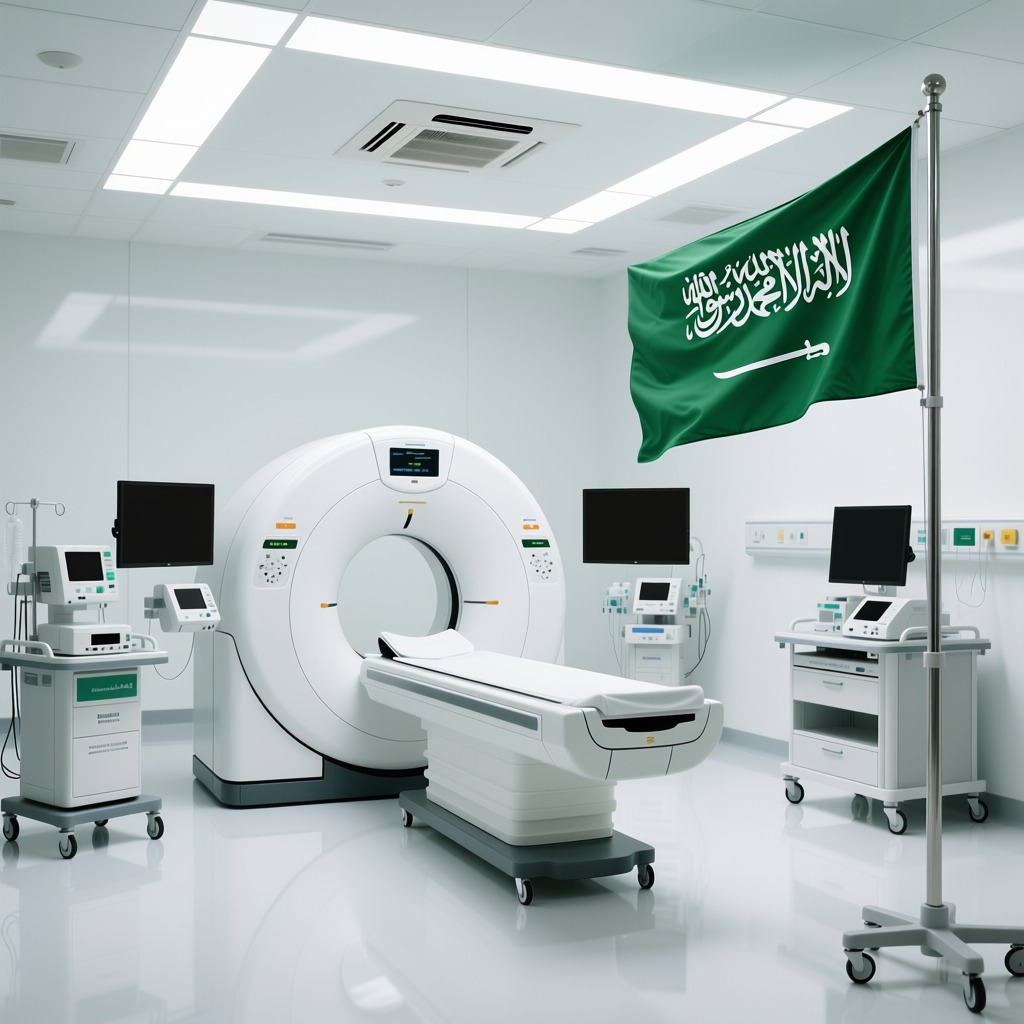

When we talk about calibrating medical devices inside hospitals or health centers, some people may think it is just a routine step or simply another paper added to the administration files. But the reality is very different. The moment an inspection or accreditation committee enters, those papers — from calibration certificates to repair records — become the real shield that protects the medical institution from comments or objections.
So, why is documentation so important? And how does it turn from simple papers into a practical guarantee of compliance and quality? Let’s discuss this below.
Audit and compliance start with calibration
Calibration is not just a technical test of a device’s performance, but an official process that proves the device works within the accepted limits according to international standards.
When medical devices are calibrated regularly, the responsible technician or engineer issues a calibration certificate with accurate and traceable results. These certificates are not just formal papers; they are approved documents that any inspection committee can use to check:
- The date of the last calibration.
- The performance standards used in the test.
- How well the device meets the technical specifications.
The difference between an institution that keeps these certificates organized and one that does not could mean the difference between passing an inspection easily or facing service suspension and fines.
Traceable calibration certificates
Traceability is a key part of any calibration process. Regulatory committees do not just want a printed certificate, but a document with an authorized signature, a serial number, and a reference to a recognized international standard.
For example, imagine a patient monitoring device in the intensive care unit was calibrated six months ago. During a review, the committee requests a certificate proving that the device’s measurements can be traced back to an approved standard like ISO or IEC. That small piece of paper becomes strong evidence that the patient’s recorded data was accurate and patient safety was not at risk.
Without such certificates, the accuracy of the entire device may be doubted, even if it appears to work fine.
Repair records as proof of response
Sometimes, a medical device suddenly breaks down or shows a fault. This is where maintenance documentation matters.
A documented repair record shows that the hospital not only found the problem but also took action to fix it.
This record usually includes:
- The first fault report.
- The technical diagnosis of the issue.
- Spare parts that were replaced.
- A test confirming the device works after repair.
During inspections, this record proves that the institution does not leave issues unresolved but handles problems seriously and documents the steps to protect service quality.
Closing reports to show a full cycle
The last part of documentation is closing the report. An open report is a weakness because it shows there is still an unresolved issue. But when a problem is reported, repaired, and then officially closed, the cycle is complete.
This closure is not just a stamp; it confirms the device is back in safe service and that patients will not be affected.
Why documents save you during inspections?
Regulatory committees do not only check devices; they look for evidence that management follows a solid system.
- Traceable calibration certificates prove the devices are accurate and reliable.
- Maintenance documentation proves that faults are not ignored.
- Repair and closure records show that every problem has a clear start and an end.
When you present these documents, you are not only convincing the committee but also proving that the hospital has a strong internal quality system, which increases the trust of patients and supporting bodies.
The cost of missing documentation
Imagine an inspection committee enters a hospital and asks for the calibration certificate of a ventilator. The administration cannot provide a recent document. What happens?
- The device may be suspended until calibration is done.
- A violation may be recorded against the hospital.
- The hospital’s reputation with regulators and patients may suffer.
Lack of documentation is not just a paper problem — it can lead to financial losses and the suspension of vital services.
Documentation as a long-term investment
Some may think keeping all these papers is just administrative work. But in reality, documentation is a long-term investment.
- Every calibration certificate you save today will save you time and effort later.
- Every maintenance record helps the technical team track repeated faults.
- Every repair record shows committees that your institution values transparency and discipline.
How to prepare for inspections?
Experts recommend these steps:
- Schedule medical device calibration regularly and never delay it.
- Create an electronic or paper archiving system that is easy to access.
- Train technical staff on the importance of documenting every maintenance step.
- Review all open reports and make sure they are closed before any inspection.
In the end, calibration and documentation are not just legal requirements or formal steps — they are the first line of defense for medical institutions against audits or inspections. Papers are not a replacement for real performance, but they are documented proof that performance follows scientific standards and international regulations.
If you want to avoid unpleasant surprises and show inspectors that your institution works with a professional, integrated system, start focusing on documentation now. The best step you can take is to schedule regular testing and calibration for all your devices, and carefully document every step. Request inspection and calibration today, and do not leave your inspection file to chance.