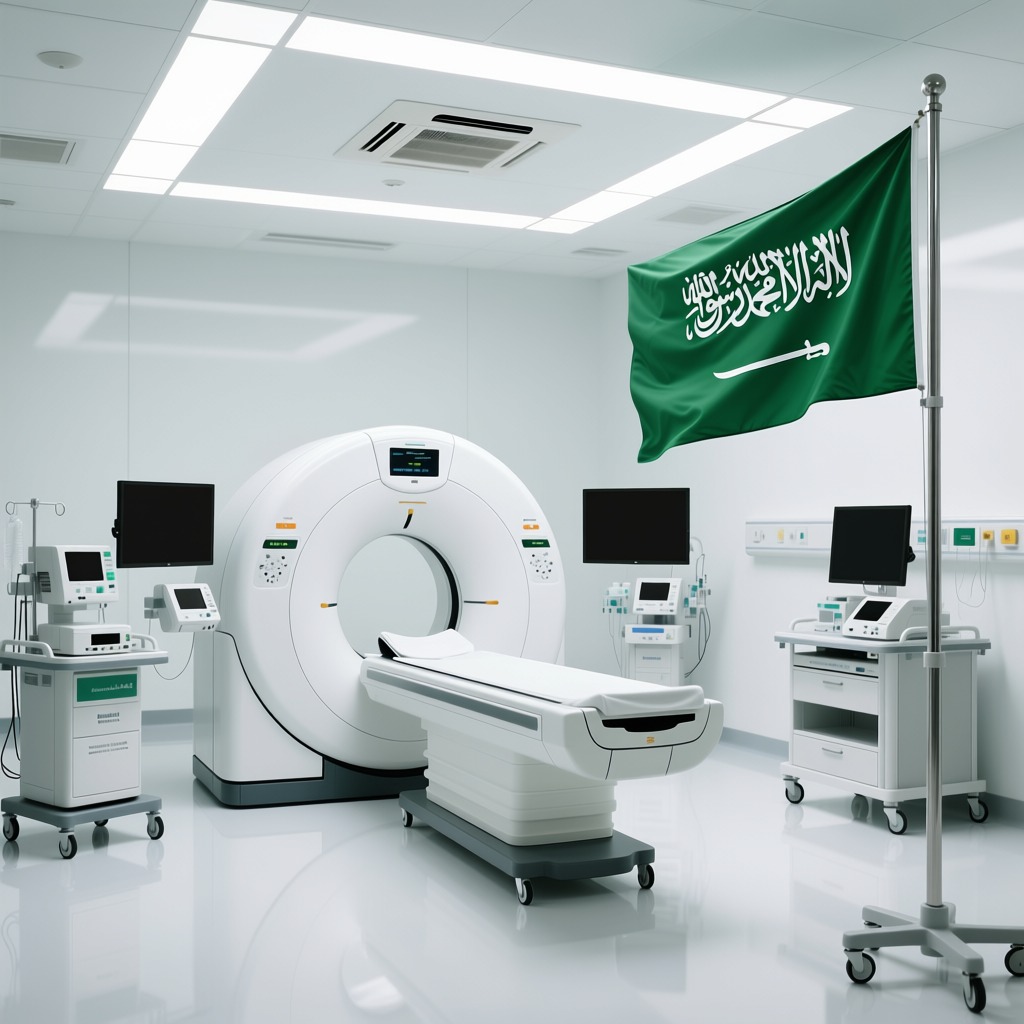

In the world of medical devices inside hospitals, small details can make a big difference. It is not only the surgical table or the ventilator that determines efficiency, but also the original medical accessories and consumables connected to them: ECG cables, SpO2-compatible sensors, non-invasive blood pressure cuffs (NIBP), and more.
The important question for every department manager or biomedical engineer is: how can we ensure that these accessories are compatible with different devices from multiple brands, without risking system failures or service interruptions?
The answer depends on three main pillars: compatibility lists, policies for using original or approved alternative accessories, and warranty documentation. These pillars support operational continuity and reduce the chance of errors or unexpected costs.
First: Compatibility lists
A compatibility list is a technical document that clearly shows which accessories or consumables can be used with a specific device. Why is this important? Because every medical device (patient monitor, anesthesia machine, or infusion pump) is designed to work with accessories of precise specifications, such as correctly sized ECG cables, NIBP cuffs, or SpO2 sensors.
Without these lists, errors may occur, such as using an SpO2 sensor that gives false readings, or an NIBP cuff with the wrong connector that causes air leaks and failed measurements.
What should the list include?
- Device brand and model.
- The original recommended accessory with part number, model, and special dimensions.
- Authorized alternatives from other brands tested and approved.
- Usage limits (for example: “adults only” or “not for newborns”).
Hospital role:
- Request these lists officially from the supplier when purchasing the device.
- Build a central database in the biomedical department to store compatibility lists for all devices.
- Update them when buying new versions or replacing accessories.
Second: Original or equivalent alternatives
Hospitals often look for cheaper alternatives to original accessories, but this must be carefully managed to avoid patient risks or warranty issues.
- Original accessories: made by the manufacturer, ensuring best performance and compatibility.
- Equivalent or compatible accessories: made by other companies but designed to match the same technical standards. When choosing them, hospitals must check that they are officially approved by the Saudi FDA (SFDA) or carry CE/FDA certification.
How to ensure safety?
- Verify certifications: is the alternative officially registered as a medical product?
- Test a sample: check if the accessory works accurately with the device without false alarms.
- Consult the supplier: some companies provide “Approved Accessories” lists that include safe alternatives.
Third: Warranty documentation
Even with original or approved accessories, warranty protection is essential if a problem occurs. Some manufacturers cancel the warranty if non-original accessories are used. Hospitals need proof that the accessory is either original or officially approved.
What to document?
- Purchase invoice showing accessory name and part number.
- Compatibility or approval certificate from the supplier or manufacturer.
- Usage records: biomedical staff should log installation and replacement dates.
Practical steps:
- Ask suppliers to add a clear clause in contracts: “Original or approved equivalent accessories do not cancel the warranty.”
- Store electronic copies of all documents in the medical device management system.
Operational continuity with multiple brands
Large hospitals often own devices from different brands due to various purchase contracts over the years. This creates challenges, such as requiring different ECG cables, multiple NIBP connectors, and several SpO2 sensor types. The solution is not replacing all devices, but:
- Centralized accessory management with compatibility databases.
- Using approved alternatives to reduce storage complexity.
- Unified supply contracts that guarantee accessories compatible with several brands.
This approach maintains smooth operation, reduces waste and downtime, and ensures patient safety.
Equipping an operating room or ICU is not just about the big devices like ventilators or monitors; it also depends on the daily accessories and consumables used with them.
Do not let your sensitive devices depend on chance or random decisions. Problems do not start when a ventilator or monitor stops working, but earlier—when a non-compatible accessory is installed or when stock of essential items like ECG cables, NIBP cuffs, or SpO2 sensors runs out. Such situations may delay critical procedures, disrupt departments, and even risk patient safety.
The solution is not complicated, but it requires a clear proactive step: securing original, compatible, and approved accessories. When you choose genuine ECG cables or certified alternatives, reliable SpO2 sensors, or NIBP cuffs approved by manufacturers or regulators, you are not just buying a small piece—you are ensuring:
- Continuous operation without unexpected breakdowns.
- Accurate medical readings, which are vital for clinical decisions.
- Protection of your investments, since approved accessories do not void warranties or create disputes.
- Patient safety, which is always the first priority for any hospital or medical department.
That is why we encourage you to act today: request a package of compatible and certified accessories to keep your medical departments running smoothly, avoid unexpected downtime, and focus on what truly matters—patient care.